In recent years, the dynamics of viral culture have changed dramatically, influencing how trends emerge, spread, and disappear. Understanding these shifts is crucial as they reshape communication, media consumption, and social interactions around the world.
The acceleration of trend dissemination
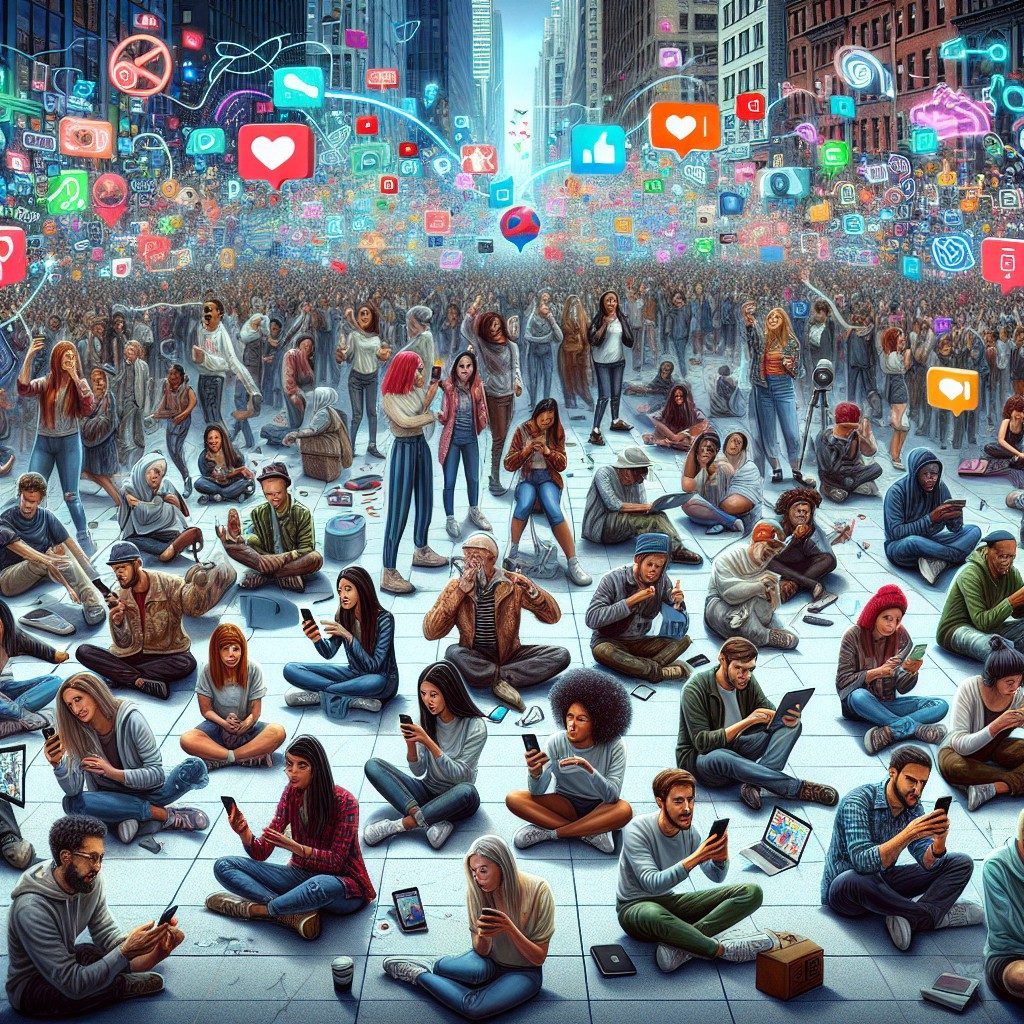
The rapid spread of trends today stems largely from advances in digital technology and widespread access to social media platforms. Unlike past decades, where information traveled at a slower pace, content can now reach millions instantly. This acceleration is closely tied to the nature of viral culture, which relies on users sharing content rapidly within interconnected networks. Algorithms on major platforms also prioritize trending content, increasing its visibility and prompting quicker adoption across diverse populations.
The role of social media algorithms in shaping viral culture
Social media algorithms play a significant role in determining which trends gain momentum. These algorithms prioritize engagement, often highlighting content that evokes strong emotional reactions or is easily shareable. As a result, trends can become viral within hours. However, the same mechanisms that boost rapid dissemination also contribute to accelerated decline, as newer content swiftly replaces older trends, leading to shorter trend lifespans.
Fragmentation and diversification of audiences
Modern viral culture is marked by audience fragmentation and the rise of niche communities. With countless platforms and interest groups, trends can circulate rapidly within specific circles but may not penetrate mainstream culture as broadly as before. This diversification allows more voices and creative expressions to surface; however, it also means that trends often have shorter durations before being replaced or evolving into new variants aligned with particular subcultures.
The impact of content saturation on trend longevity
The sheer volume of content produced daily contributes to content saturation, challenging the sustainability of viral trends. Audiences are exposed to constant streams of information, making sustained attention difficult to maintain. Consequently, trends in viral culture now tend to fade sooner than in previous eras. Marketers, creators, and communicators must adapt by generating fresh, engaging content continuously to remain relevant amid this fast-moving landscape.
The influence of global events and cultural shifts
Global events such as pandemics, social movements, and technological breakthroughs significantly affect viral culture. These occurrences often act as catalysts for new trends by shaping public interests and conversations. Additionally, cultural shifts, including changing values and behaviors, modify what content resonates with audiences at given moments. These factors interplay to ensure that viral culture remains dynamic, reflecting current societal moods while accelerating trend turnover.
In conclusion, the nature of viral culture has evolved to promote faster distribution and quicker obsolescence of trends due to technological, social, and cultural factors. This shift requires stakeholders to be agile and responsive in a landscape where audiences expect constant novelty and immediacy. The continued evolution of platforms and user behaviors will likely further influence viral culture, making it an area of ongoing interest for analysts and creators.
Frequently Asked Questions about viral culture
What defines viral culture in today’s digital world?
Viral culture today refers to the rapid and widespread sharing of content, ideas, or trends through digital platforms, marked by quick adoption and often brief popularity peaks.
How do social media platforms influence viral culture?
Social media platforms use algorithms to promote highly engaging or shareable content, accelerating the spread of viral culture by increasing visibility and user interaction.
Why do trends in viral culture fade more quickly now?
Trends fade faster due to content saturation, rapid content turnover, and the constant influx of fresh material competing for audience attention within viral culture.
Can viral culture impact global societal behaviors?
Yes, viral culture can influence societal behaviors by shaping public discourse, spreading awareness rapidly, and mobilizing communities around shared interests or causes.
What challenges does viral culture pose for marketers?
Marketers face the challenge of maintaining audience engagement amid fleeting trends in viral culture, requiring them to produce timely, relevant content continuously to stay visible.