In recent years, sustainability has become a crucial consideration for households worldwide, including in Romania. As environmental challenges intensify, Romanian families are exploring practical changes they can adopt to live more sustainably without sacrificing comfort or convenience. This article examines realistic, long-term adjustments Romanian households can implement to contribute to global sustainability efforts.
Energy Efficiency in Romanian Homes
Energy consumption is a significant factor affecting sustainability in any household. Romanian households can improve their energy efficiency by upgrading insulation, installing energy-efficient windows, and using LED lighting. These changes reduce the need for heating and cooling, which account for a substantial portion of a home’s energy use. In addition, incorporating smart thermostats helps optimize energy consumption by adjusting temperatures in real time according to occupancy and external weather.
Water Conservation Practices
Water scarcity and management are integral components of sustainability. Romanian families can adopt water-saving habits such as installing low-flow showerheads and faucets, repairing leaks promptly, and using rainwater collection systems for outdoor gardening. These measures help reduce water wastage, ultimately lowering utility bills and reducing environmental impact. Local initiatives promoting water awareness also support households in making sustainable water usage choices.
Sustainable Waste Management
Proper waste management is essential for sustainability in Romanian households. Recycling organic waste through composting reduces landfill volume and produces natural fertilizer for gardens. Separating recyclable materials like paper, plastics, and metals ensures that these resources re-enter manufacturing cycles instead of contributing to pollution. Education campaigns by municipalities and environmental organizations have improved the availability and accessibility of recycling programs in urban and rural areas alike.
Adopting Sustainable Transportation Options
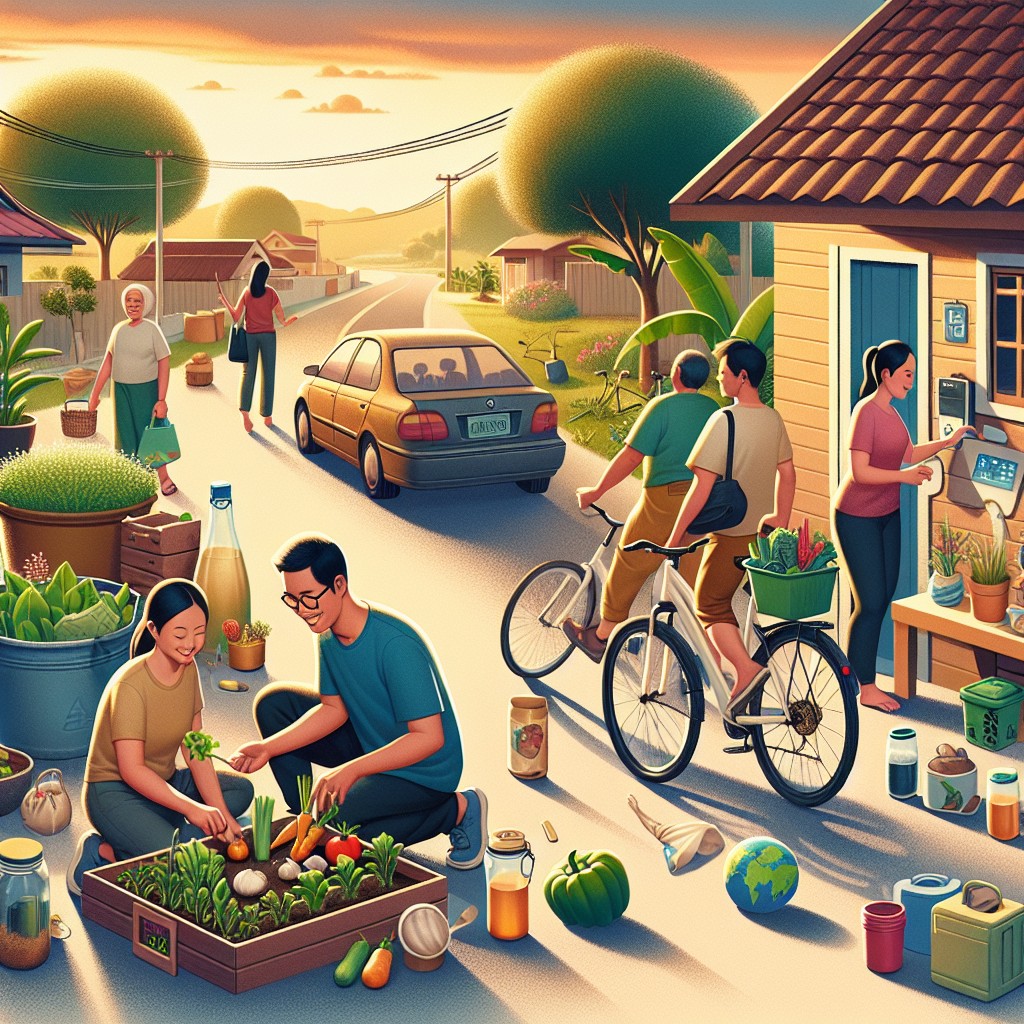
Transportation contributes significantly to household carbon footprints. Romanian families can support sustainability by using public transport more frequently, carpooling, or switching to bicycles for short-distance travel. The expansion of electric vehicle infrastructure in Romania also presents an opportunity to transition to cleaner transportation modes. Encouragingly, government incentives for electric vehicle purchases and infrastructure development make sustainable transportation options increasingly accessible.
Supporting Local and Eco-Friendly Products
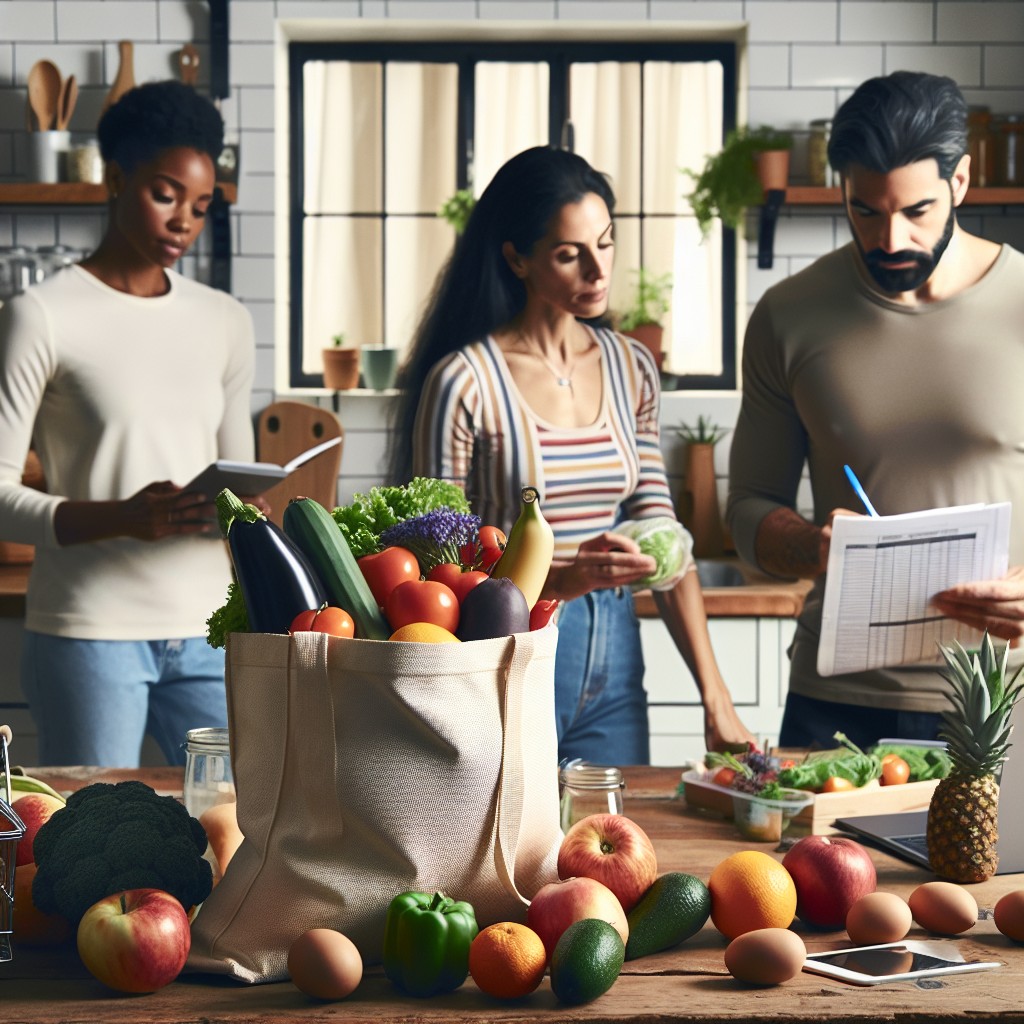
The choice of consumer goods greatly influences sustainability outcomes. Romanian households help promote sustainability by purchasing locally produced food and products, which reduce carbon emissions associated with long-distance transportation. Opting for organic and eco-friendly products also minimizes exposure to harmful chemicals and supports environmentally responsible farming practices. Markets and cooperatives focusing on local and sustainable goods are growing, reflecting increasing consumer awareness in Romania.
In conclusion, Romanian households have significant potential to contribute to sustainability through practical and realistic changes in daily living. Improvements in energy efficiency, water conservation, waste management, transportation, and consumption habits not only align with global environmental goals but also promote economic savings and healthier lifestyles locally. Over time, these adjustments can reinforce Romania’s commitment to sustainability and support broader European and international environmental initiatives.
Frequently Asked Questions about sustainability
What does sustainability mean for Romanian households?
Sustainability for Romanian households refers to adopting practices that reduce environmental impact, conserve natural resources, and promote social and economic well-being over the long term.
How can Romanian families improve energy sustainability at home?
Families can improve energy sustainability by enhancing home insulation, using energy-efficient appliances and lighting, and managing heating and cooling systems efficiently.
Are there practical water sustainability measures Romanian households can implement?
Yes, water sustainability can be improved by using water-saving devices, fixing leaks quickly, and collecting rainwater for non-potable uses like gardening.
Why is waste management important for household sustainability in Romania?
Effective waste management helps reduce landfill waste, encourages recycling, and lowers pollution, all vital for maintaining long-term household sustainability.
How does supporting local products relate to sustainability?
Purchasing local products reduces transport emissions, supports the local economy, and often involves more environmentally friendly production methods, enhancing overall sustainability.