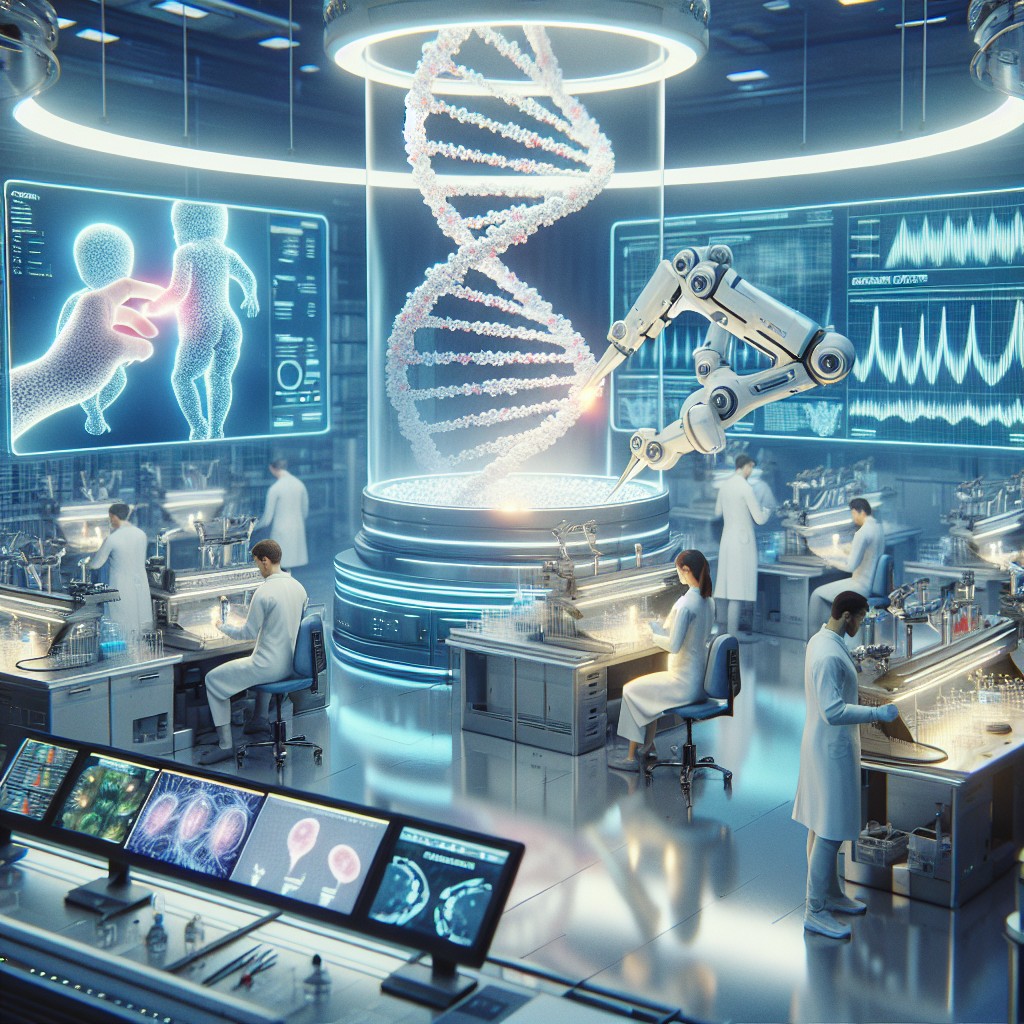
The advancement of genetic technologies has brought CRISPR to the forefront of modern science, heralded as a groundbreaking tool for gene editing. Since its discovery, CRISPR has revolutionized biological research and offered new possibilities for treating genetic diseases. However, alongside the scientific potential, ethical considerations pose critical challenges that require careful examination.
Understanding CRISPR and Its Mechanism
CRISPR, short for Clustered Regularly Interspaced Short Palindromic Repeats, is a natural mechanism used by bacteria to defend against viruses. Scientists have adapted this system to edit genes within living organisms efficiently. The technology works by using a guide RNA to locate a specific sequence of DNA, then the Cas9 enzyme cuts the DNA at that precise location, allowing genes to be added, removed, or altered. This precision makes CRISPR a powerful tool for genetic engineering across a wide range of fields.
Applications of CRISPR in Medicine and Agriculture
The medical field has seen significant interest in CRISPR for its potential to correct genetic mutations responsible for diseases such as cystic fibrosis, sickle cell anemia, and muscular dystrophy. Clinical trials are underway to apply CRISPR-based therapies for treating certain cancers and viral infections like HIV. Beyond medicine, CRISPR has been deployed in agriculture to engineer crops with improved yield, pest resistance, and drought tolerance. These applications hold promise for addressing food security while minimizing chemical inputs.
Scientific and Regulatory Challenges
While CRISPR offers unprecedented capabilities, technical challenges remain. Off-target effects, where unintended parts of the genome are edited, raise safety concerns that scientists continue to investigate. Additionally, the long-term consequences of gene editing in humans and ecosystems are largely unknown. Regulatory bodies worldwide are developing frameworks to govern CRISPR use, balancing innovation with safety. The FDA in the United States and similar agencies internationally oversee clinical trials and have guidelines to ensure responsible deployment.
Ethical Considerations Surrounding CRISPR Use
The ethical landscape of CRISPR gene editing is complex. Issues arise particularly around germline editing, where changes can be inherited by future generations, potentially altering the human gene pool. The possibility of creating so-called ‘designer babies’ intensifies ethical debates. Questions about consent, equity, and access to gene editing technologies fuel societal concerns. Consequently, most scientific communities advocate for moratoriums or stringent regulations on heritable genetic modifications until broad consensus and safety assurances are achieved.
Global Perspectives and Future Outlook
Internationally, diverse cultural, legal, and social factors influence CRISPR governance. Some countries have embraced cautious research and application, while others enforce strict prohibitions, especially concerning human germline editing. The World Health Organization and other prominent institutions continue to call for transparent dialogue and global cooperation. As CRISPR technology evolves, its integration into healthcare and agriculture is poised to expand, provided ethical frameworks and scientific safeguards advance in parallel. This balance will be crucial to harness the full benefits of gene editing responsibly.
Frequently Asked Questions about CRISPR
What is CRISPR and how does it function in gene editing?
CRISPR is a gene-editing technology that uses a guide RNA and the Cas9 enzyme to make precise cuts in DNA, enabling the addition, removal, or alteration of genetic material within organisms.
What are the current medical uses of CRISPR?
CRISPR is currently being explored in clinical trials to treat genetic disorders, certain cancers, and viral infections by correcting faulty genes or targeting disease-causing cells.
Are there any risks associated with CRISPR gene editing?
Yes, potential risks include off-target effects where unintended parts of the genome might be edited, and unknown long-term impacts on patients and ecosystems.
Why is CRISPR ethically controversial?
Ethical concerns focus on human germline editing, as inheritable changes raise questions about consent, fairness, and the possibility of misuse such as designing traits in offspring.
Where can I find reliable information about the regulation of CRISPR?
Reliable information can be accessed through international organizations and regulatory agencies such as the FDA or the World Health Organization, which provide guidelines and updates on CRISPR governance.